Classification and Function of Mountaineering Full Body Climbing Harnesses
Mountaineering full body climbing harnesses are categorized into several main types based on their design and intended use.
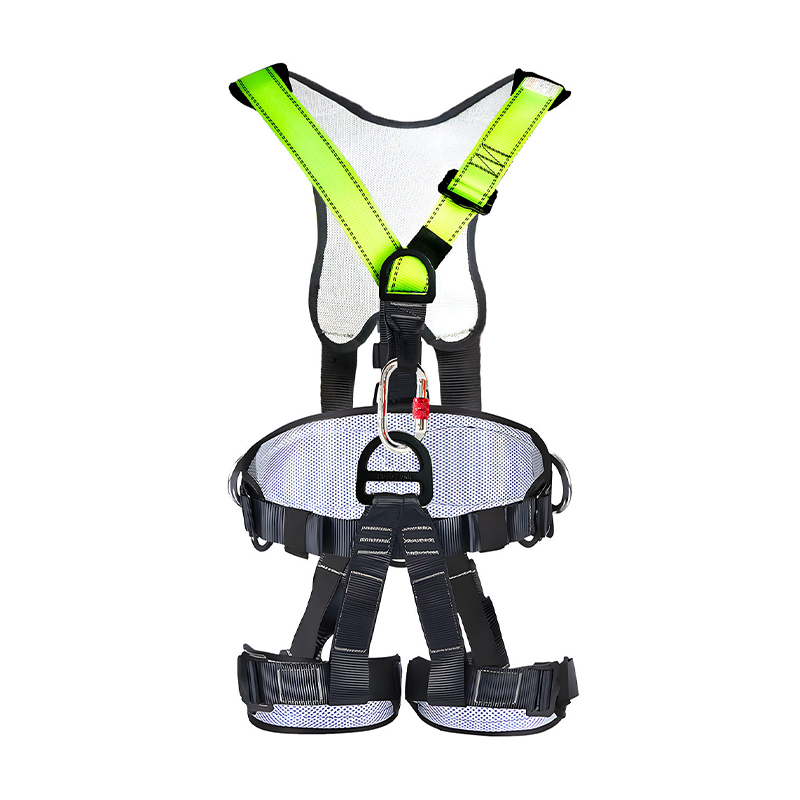
Full-body harnesses cover the majority of the body, including the shoulders, chest, and waist, providing comprehensive protection. Widely used in situations requiring prolonged suspension, such as aerial work and construction, these belts effectively distribute pressure and prevent excessive stress on a single area.
Waist-belt harnesses cover only the waist and are suitable for shorter climbing sessions or situations that don't require extended suspension. While lightweight and flexible, they offer less protection than full-body harnesses while suspended at height, making them suitable for casual climbers or beginners.
Specific climbing harnesses prioritize comfort and efficiency, featuring a simple design. They are often used for high-intensity climbing training or competitions. They typically protect only the waist and thighs, eliminating excess material and weight, allowing athletes to perform rapid maneuvers.
Rappelling harnesses are designed specifically for high-altitude rappelling. They provide a cushioning function, mitigating impact during a rapid descent and ensuring safety. It is commonly used by professionals such as firefighters and mountain rescuers.
Child safety belts, designed to take into account children's body shapes and safety needs, typically prioritize comfort and adaptability, helping children safely engage in rock climbing activities.
The primary function of a climbing safety belt is fall prevention, which is its core design objective. Whether used in rock climbing, mountaineering, construction sites, or other high-risk activities, mountaineering full body climbing harnesses connect to anchor points or safety ropes to effectively prevent falls.
Improving comfort is also a key feature of modern climbing safety belt design. Wearing mountaineering full body climbing harnesses for extended periods can cause discomfort, so many mountaineering full body climbing harnesses feature thick padding and ergonomic designs to reduce pressure during extended periods of suspension. Specifically for climbers, designs often prioritize back and thigh comfort, minimizing friction and pain during intense activity.
In addition to protection and comfort, stability is also a key function of mountaineering full body climbing harnesses. A high-quality climbing safety belt helps users maintain balance while at height or while suspended, preventing loss of control and reducing the risk of additional swaying. Maintaining stability is crucial for minimizing accidents during extreme sports or aerial work.
Quick adjustment is also a key feature of modern mountaineering full body climbing harnesses. With technological advancements, many mountaineering full body climbing harnesses are equipped with quick-adjust buckles and buttons, allowing users to quickly adjust the tightness based on their body shape and specific needs, ensuring the optimal fit.
Material and Design of Mountaineering Full Body Climbing Harnesses
The performance of a climbing safety belt is highly dependent on the material used. Common materials include nylon, polyester, and high-performance fibers such as Dyneema and Kevlar.
Nylon is the most common climbing safety belt material, offering high tensile strength and abrasion resistance. It is moderately lightweight and affordable, making it suitable for most rock climbing and mountaineering activities. Nylon's flexibility allows it to adapt to different body shapes. While its UV resistance is slightly inferior to that of polyester, it still provides adequate protection under normal use. Polyester, with its excellent abrasion and UV resistance, excels in high-impact activities. Polyester is often used in mountaineering full body climbing harnesses where durability is crucial. It maintains its performance even in strong sunlight and maintains good performance in humid or rainy conditions. Although slightly heavier than nylon, polyester is generally more durable and suitable for long-term use.
High-strength fibers such as Dyneema and Kevlar are widely used in some high-end mountaineering full body climbing harnesses. These materials offer tensile strength far exceeding that of ordinary nylon or polyester, yet are relatively lightweight, making them suitable for professional-grade mountaineering full body climbing harnesses. They can effectively withstand greater impact forces, providing enhanced safety, especially in extreme sports.
Foam padding and soft lining are often used for added comfort, especially on the inside of the waist and thigh straps. These features distribute pressure and reduce discomfort during exercise.
Since its establishment in 2001, Jiangsu Senmao Safety Technology Co., Ltd., the successor to Taizhou Huatai Labor Protection Products Co., Ltd., has focused on the research and development and production of safety protection products. Located in Taizhou, Jiangsu Province, Jiangsu Senmao Safety Technology Co., Ltd. boasts a strong technical background and production capabilities. With the continuous advancement of technology, Jiangsu Senmao Safety Technology Co., Ltd. focuses on the perfect combination of comfort, stability, and efficiency in the design of mountaineering full body climbing harnesses.
Senmao's design philosophy is centered on ergonomics, with a particular focus on user comfort during high-intensity activities. The company continuously innovates, employing lightweight designs to reduce the burden of mountaineering full body climbing harnesses during prolonged wear while also enhancing their durability and abrasion resistance. Its products utilize not only mainstream materials such as high-strength nylon and polyester, but also some high-end series incorporate advanced fibers such as Dyneema and Kevlar, ensuring high safety in extreme environments.
In terms of safety, Jiangsu Senmao Safety Technology Co., Ltd.'s mountaineering full body climbing harnesses are meticulously designed with wear-resistant synthetic fibers and thick padding, ensuring greater support while suspended, reducing discomfort caused by prolonged hanging. The quick-adjust feature is also a notable feature of Jiangsu Senmao Safety Technology Co., Ltd.'s mountaineering full body climbing harnesses. Users can flexibly adjust the tightness of the waist and leg straps to suit their body shape, ensuring the belt's effectiveness in various scenarios.
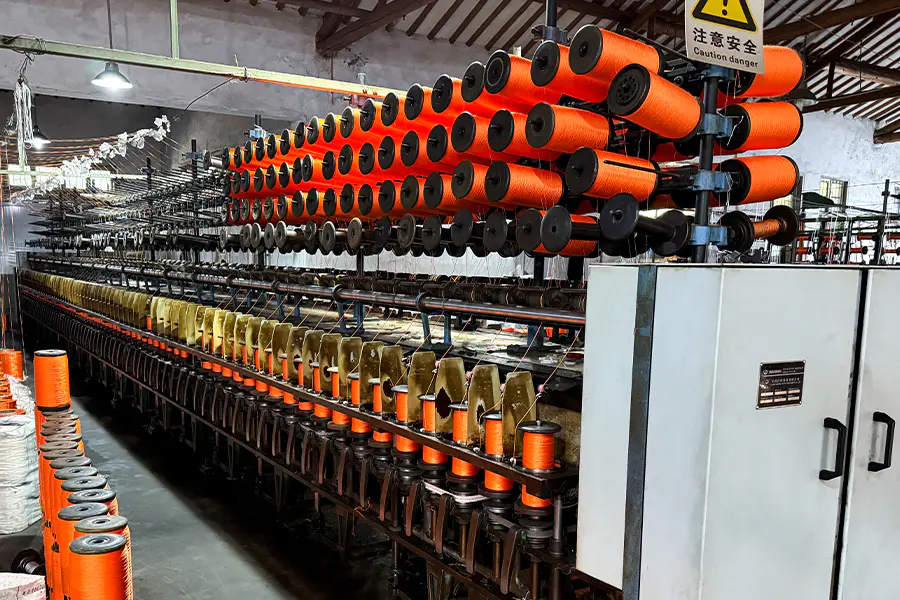
To ensure that every product meets international standards, Jiangsu Senmao Safety Technology Co., Ltd. has over 50 production lines and five testing facilities. These production lines not only ensure the efficiency of large-scale production but also ensure that every climbing safety belt meets stringent quality control standards during production, ensuring its performance and durability meet industry requirements. Whether used in everyday rock climbing or high-risk construction site work, Jiangsu Senmao Safety Technology Co., Ltd.'s products provide users with long-lasting protection. Jiangsu Senmao Safety Technology Co., Ltd. also actively explores the use of sustainable and environmentally friendly materials, gradually incorporating recyclable and environmentally friendly materials into some of its products to meet market demand for green, safe, and sustainable development.
Climbing Safety Belt Selection and Usage Recommendations
When choosing a climbing safety belt, the first factors to consider are size and weight capacity. A climbing safety belt should be tailored to your waist and leg circumference. A belt that's too tight or too loose won't provide effective protection. It's recommended to measure your waist and leg circumference and refer to the manufacturer's sizing chart to select the right model. Furthermore, different types of mountaineering full body climbing harnesses are suitable for different scenarios, so the nature of the activity should be considered when choosing one. For example, outdoor activities like rock climbing and mountaineering typically require a lightweight, comfortable, specialized climbing safety belt, while high-altitude work like construction sites requires a more stable, full-body protection belt.
Weight capacity is another key factor to consider. Mountaineering full body climbing harnesses are designed to withstand different forces depending on the activity. Extreme sports or high-risk environments require a higher weight capacity, while for general recreational climbing, a climbing safety belt with a lower weight capacity may be sufficient.
Proper wearing technique is crucial for safety. When wearing a climbing safety belt, ensure all straps are securely fastened, especially the leg and waist straps. There should be no looseness. When wearing, ensure the lower portion of the strap is not caught on clothing to prevent accidents caused by a loose belt.
Before use, be sure to inspect all parts of the climbing safety belt, especially the buckle, seams, and connecting rings, to ensure they are free of wear and damage. Mountaineering full body climbing harnesses have a limited lifespan. If significant wear is observed, they must be replaced promptly to avoid safety hazards caused by aging or damage.
In addition to regular inspections during wear, regular maintenance is also crucial. Prolonged exposure to sunlight, moisture, and other harsh conditions may shorten the lifespan of a climbing safety belt. Therefore, it should be cleaned and dried promptly after use and stored in a dry, well-ventilated area, away from direct sunlight and moisture.


 English
 русский
 Español
 عربى
عربى