


 English
 русский
 Español
 عربى
عربىJiangsu Senmao Safety Technology Co., Ltd. is China HT-S-0018 14mm Twist Rope Energy Absorber Lanyard Suppliers and HT-S-0018 14mm Twist Rope Energy Absorber Lanyard Factory, founded in 2001 (formerly known as Taizhou Huatai Labor Protection Products Co., Ltd.), the company is located in Taizhou City, Jiangsu Province, China, and is mainly engaged in the manufacture and sale of safety and protection products, outdoor products and fire-fighting products. The company has more than 300 kinds of products, more than 50 sets of production equipments and 5 sets of testing equipments, with strong technical strength and standardized production process.

HT-S-0018 14mm Twist Rope Energy Absorber Lanyard
PREV: HT-S-0020 Energy Absorber Lanyard with 1 Forged Large HookNEXT:HT-S-0024 Energy Absorber Lanyard Polyester Webbing With Elastic Webbing
Specification
Product Positioning
The energy-absorbing safety lanyard is an indispensable, core load-bearing component of the personal fall protection system. It establishes a complete, continuous load-bearing link between the full-body harness and the structural anchor point, serving as essential equipment for fall protection during high-altitude work.
Protection Mechanism
In the event of an accidental fall from height, the immense kinetic energy generated is transferred to the lanyard's integrated shock-absorbing structure. The built-in energy absorber dissipates the impact force through controlled elongation and deformation, dispersing concentrated loads and significantly reducing the pulling force transmitted to the torso and spine. This prevents strains, contusions, or severe injuries caused by sudden impact, thereby minimizing physical trauma and ensuring the safety of the worker.
Applicable Work Scenarios
This product is suitable for various high-risk environments involving fall hazards, including building and infrastructure construction sites, offshore and onshore oil drilling platforms, tower crane operations, steel structure erection, and high-altitude equipment maintenance.
By utilizing a shock-absorbing structure to actively mitigate fall impact risks, the product prevents fall-related casualties within the safety chain, providing reliable, long-lasting fall protection for frontline workers.
Core Functions and Value
Connection and Load Transfer: Metal connectors at both ends attach to the harness attachment point and the anchor point (such as steel structures or embedded anchor rings), creating a closed-loop load-bearing system that stably transfers static working loads.
Shock Absorption and Protection: Unlike standard positioning lanyards, this product features kinetic energy absorption capabilities, providing specialized impact mitigation for sudden fall scenarios.
Versatility: Suitable for high-altitude work across multiple industries; compatible with mainstream full-body harnesses and industrial anchoring devices, fitting the standardized safety configurations of most construction sites.
Details
|
ITEM NO |
HT-S-0018 |
|
DESCRIPTION OF GOODS |
ENERGY ABSORBER LANYARD |
|
MATERIAL |
14MM TWIST ROPE |
|
HARDWARE |
2 U-SHAPED CARABINERS |
|
DETAILS |
LENGTH: 2000MM (WITH 1PC ENERGY ABSORBER) |
|
CERTIFICATE |
CE EN355:2002 |
|
APPLICATION |
FREE FALL ARREST,ELEVATED WORK PLATFORM,EMERGENCY RESCUE |
|
PACKING |
20 PCS/CTN(Available upon request) |
FAQS
Q: Who are we?
We are a factory,and it was established in 2015.We manufacture all our products and we also manufacture for trading companies.We can offer you factory direct prices,so it will be good for you to be able to offer good prices for your clients.
Q: What are our strengths?
All our processes are completed independently, without outsourcing or subcontracting. Therefore, we can meticulously control every production detail, and firmly maintain the safety bottom line.
Q: What services do we provide?
We can send a Samples for you: Test our quality firsthand.We also offer a full-process customized service. We can tailor the product size, color, etc. according to your requirements.
Q: What Products do We Sell?
The high-altitude protection safety belt is our core flagship product. This type of product is widely
used in construction sites, outdoor high-altitude operations, climbing rescue and other scenarios.
In addition to this, we also sell other products: safety ropes, speed control devices, outdoor climbing accessories, etc.
About Us
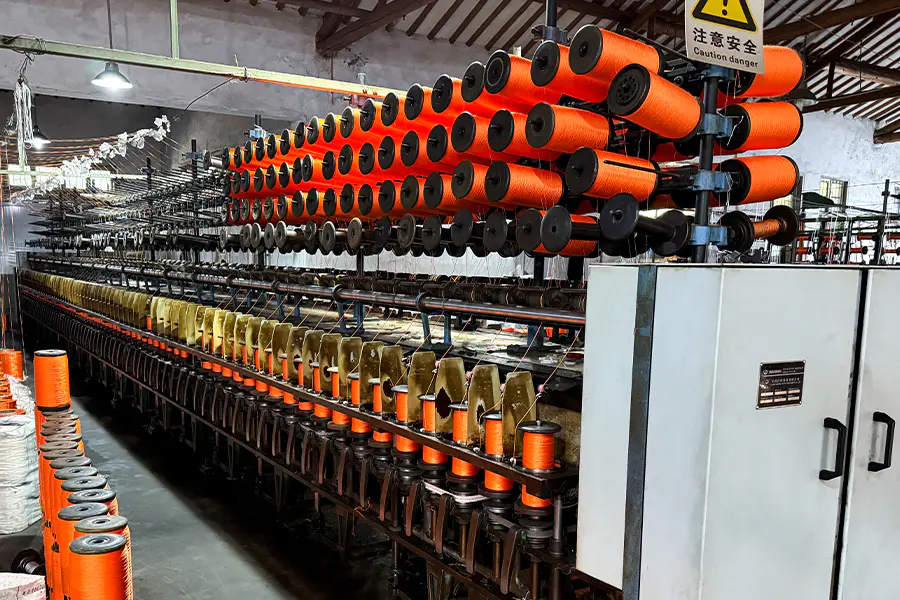
Jiangsu Senmao Safety Technology Co., Ltd.
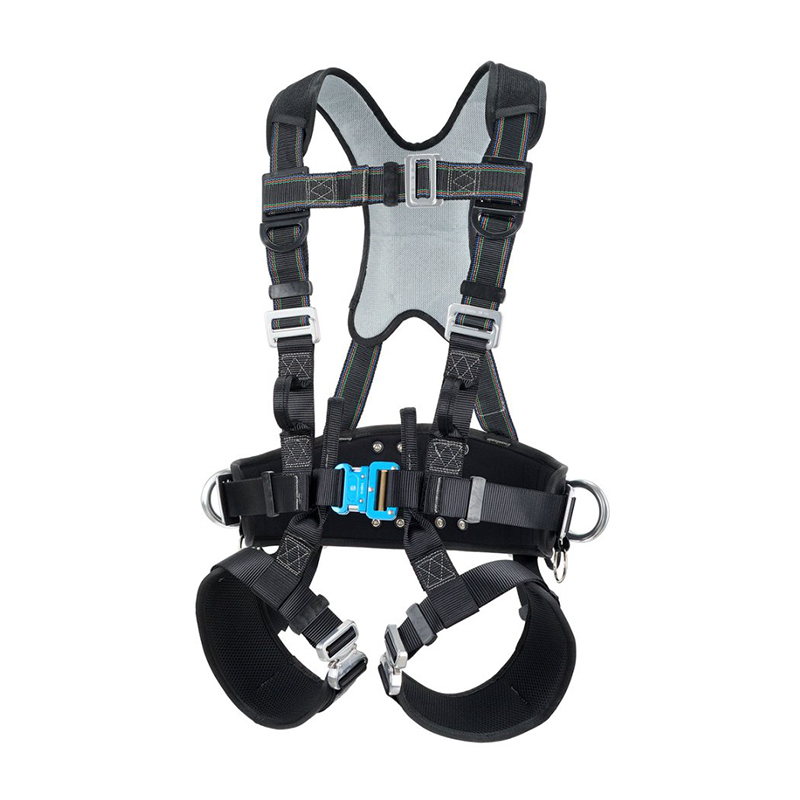
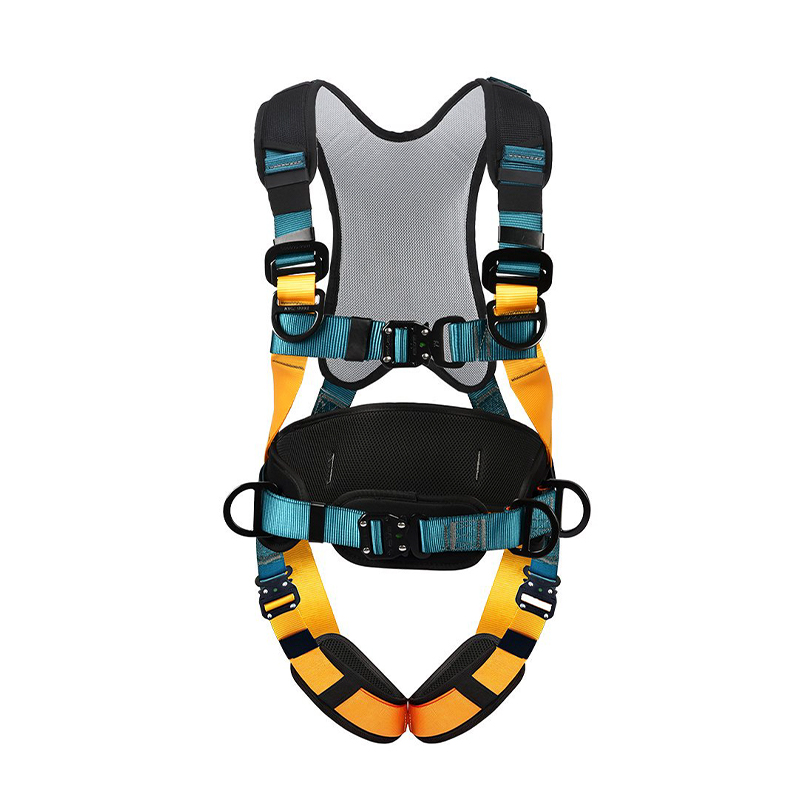
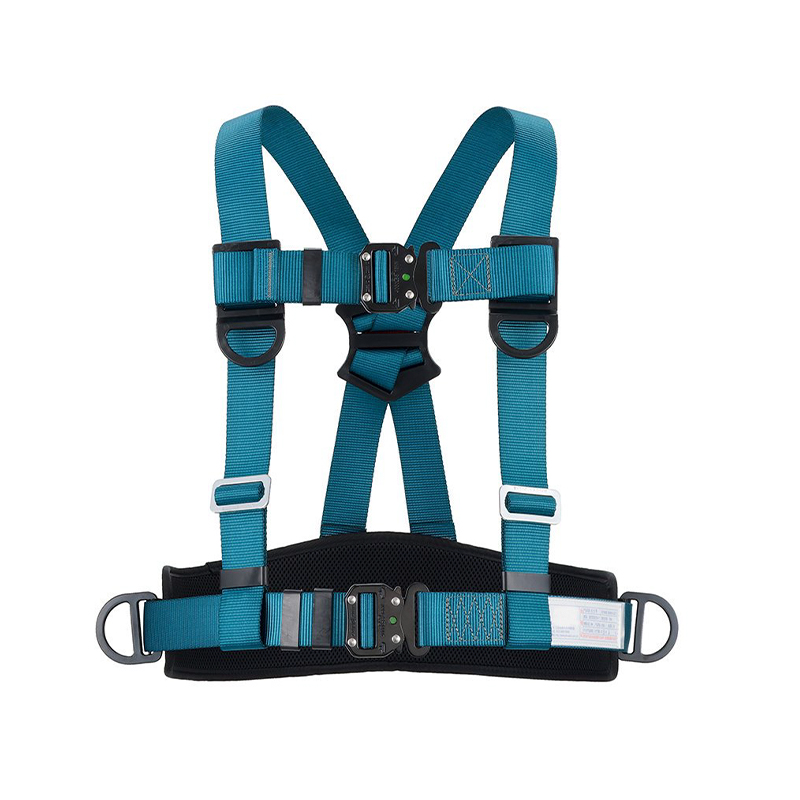


Latest Updates
Provide you with the latest enterprise and industry news
-
What Is the Purpose of a Fall Arrester? How It Works, Types, and Selection2026-07-22The purpose of a fall arrester is to stop a fall in progress and limit the force transmitted to the worker's body to a level the human body can survive without serious injury. It does this by engaging automatically the instant a fall begin...
-
What is the Purpose of a Safety Harness? It’s Not Just "Not Falling"2026-07-15Fall Protection Equipment What a Safety Harness Is Actually For, Beyond Just "Not Falling" The real function of a safety harness isn't stopping a fall — it's controlling what happens to the body during and after one. Why A safety harness ...
-
When Should a Fall Arrest Harness Be Used? OSHA Standards & Height Rules2026-07-08When Should a Fall Arrest Harness Be Used? A fall arrest harness must be used whenever a worker is exposed to a fall of 6 feet (1.8 meters) or more above a lower level in general industry and construction settings, per OSHA 1926.501 and 19...



About Standards
We offer all our products
and services at international standards.
Add: No.66, Group 5, Sanyo Community, Sixiang Town, Taizhou Hi-Tech Zone, Jiangsu Province, China
Quick Links
Get A Quote
Copyright © Jiangsu Senmao Safety Technology Co., Ltd.
All Rights Reserved.
 Wholesale HT-S-0018 14mm Twist Rope Energy Absorber Lanyard Factory